nutritional ingredients safe ingredients value trans cinnamic acid
Advanced biosystems are built around a broad palette of base components to supply inventive bioproducts.
Assuring durable supply chain sourcing is vital for future-proofing and moral progress in biomanufacturing.
many concerns related to standard raw input procurement for example habitat harm and overextraction of resources. Thus, organizations must explore circular sourcing options to lessen environmental harm.
- Examples of sustainable sourcing practices include:
- Integrating compostable agricultural waste into supply chains
- Implementing closed-loop systems to minimize waste and maximize resource efficiency
- Collaborating with regional vendors focused on fair procurement
Such a move to ethical procurement delivers ecological gains and commercial returns over time.
Advancing Biomass Preparation for Elevated Biofuel Production
Raising biofuel yields involves refining feedstock structure and content. Investigators regularly test new routes to upgrade biomass inputs, yielding greater biofuel outputs and greener energy prospects. Programs combine genetic improvement for biomass productivity with conversion technologies to access fermentable substrates.
- Furthermore, teams search for alternative biomass sources including algal strains, industrial wastes, and crop leftovers to broaden sustainable feedstock options for fuels.
- By means of ongoing innovation the biofuel sector can achieve substantial advances soon, shaping a cleaner energy future.
Enhanced Upstream Strategies for Biopharmaceutical Yield
involves foundational activities from cultivation to biomass harvest Recent progress has advanced techniques that maximize productivity and increase output.
Salient improvements involve specialized expression hosts, fine-tuned media strategies, and next-gen bioreactor concepts. These changes expand productivity and help reduce both financial and environmental overhead.
- Similarly, continuous process trends grant superior flexibility and refined control across production stages.
- The adoption of higher-tech manufacturing practices will likely disrupt traditional models and speed therapeutic launches.
Molecular Editing Strategies to Increase Bioproduct Output
evolutions in genetic modification techniques have optimized therapeutic biosynthesis. Via deliberate gene edits, teams amplify protein expression for higher yields. This approach holds immense potential for developing more efficient and affordable biopharmaceuticals to address a wide range of diseases.
Harnessing Microbial Biotechnology for Sustainable Bioremediation
state-of-the-art biological cleanup solutions using targeted microbial actions. Microorganisms possess the remarkable ability to degrade and transform harmful pollutants into less toxic substances.. Harnessing microbe-based degradation fosters cleanup tactics that minimize environmental disruption and residual waste.. Study groups probe microbial metabolic diversity to tackle metals, persistent pesticides, and hydrocarbon spills.. Such organisms are usable in treatment systems or applied directly to soils and waters to drive biodegradation of contaminants..
Employing microbial strategies for remediation provides multiple benefits versus traditional techniques. Such strategies are budget-friendly and lessen the creation of harmful byproducts. Additionally, microbial tactics can target contaminants selectively while preserving surrounding ecological systems. The field of microbial biotechnology continues to advance rapidly, with ongoing research focused on improving the efficiency and effectiveness of bioremediation strategies.
Computational Biology in Drug Discovery
Informatics platforms are essential to current drug discovery and development pipelines. By screening targets and refining candidate molecules, informatics drives faster, evidence-based development.
- By parsing huge omics and clinical databases, bioinformaticians detect targets and estimate therapeutic responses.
- In addition, predictive simulations inform medicinal chemistry efforts to craft more efficacious drugs.
- In conclusion, computational biology reshapes discovery pipelines and speeds delivery of reliable treatments for patients.
Optimizing Metabolism to Increase Bioproduct Production
implements many strategies to improve microbial output of desired bioproducts. Strategies involve pathway refactoring by genetic modification, expression modulation for balanced flux, and grafting of novel genes to add capacity.. With precise metabolic tuning scientists can greatly enhance yields of desired compounds.
This comprehensive strategy could transform numerous sectors such as pharmaceuticals, farming, and renewable energy.
Scaling Biopharma: Difficulties and Strategic Opportunities
Expanding production volumes poses difficult barriers yet offers substantial opportunities. Maintaining consistent product attributes with scale-up remains a central difficulty. Tackling it demands tightly integrated control systems, precise surveillance, and state-of-the-art analytics.
Additional complexity arises because biopharma production entails many coordinated stages.. Refining processes for commercial volumes demands deep R&D investment and novel engineering solutions.. Nevertheless, the upside can be significant. Proper scaling can increase therapy supply, reduce expenses, and elevate profitability.
Different initiatives are progressing to solve scale-up constraints. They encompass new process-improvement tools, in-line analytics for continuous oversight, and creative manufacturing approaches.
- Technology development efforts underpin advances in production capability.
- Government agencies are streamlining review procedures to permit quicker uptake of new production technologies and foster innovation.
Exploring Approval Frameworks for Biopharmaceutical Safety and Effectiveness
Developing biologic treatments requires exacting oversight to ensure consistent safety and efficacy. Biologically based treatments require tailored oversight and production controls beyond those for typical medicines.
Agencies such as the FDA in the United States and the EMA in Europe play a crucial role in establishing guidelines and standards for the approval of these innovative therapies..
Extensive evaluation procedures are essential across development phases, spanning preclinical work to post-market checks.. Those requirements help reveal risks and confirm that biologics satisfy stringent safety criteria..
Moreover, oversight agencies continually refine approaches to align with accelerating scientific progress in therapeutics.. Initiatives cover incorporating new methods and supporting faster development while ensuring patient protection.
Exploring the Potential of Plant-Based Biomass Feedstocks in Bioplastics
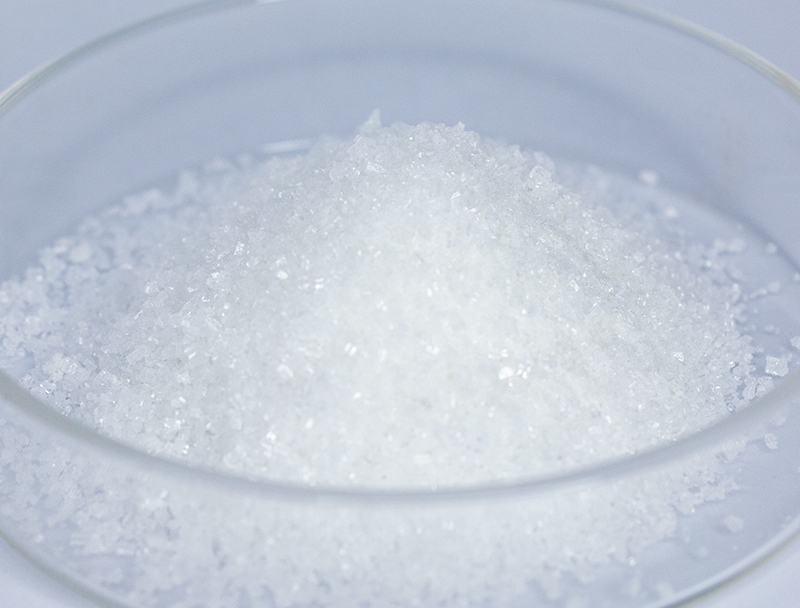
The trend toward sustainability stimulates development of renewable material technologies. Converting plant biomass into bioplastics offers a credible pathway to environmentally sound products. Biomass sources such as cornstarch, cellulose, and sugarcane are usable Calcium 2-oxoglutarate to produce plastics that biodegrade and reduce ecological impact.
Likewise, some plant-derived plastics perform similarly to petroleum-based materials for a variety of uses.. Ongoing studies and technology development are vital to exploit plant feedstocks for bioplastics and foster a circular economy.
Biotechnology's Impact on Global Health and Food Security
Advanced biotech approaches can reshape healthcare delivery and enhance agricultural resilience. Using genome engineering, synthetic biology techniques, and cell-based treatments, innovators devise ways to tackle pathogens, amplify yields, and improve nutrition.. For instance, genetically modified crops can be engineered to resist pests and environmental stresses, leading to increased agricultural production and reduced reliance on harmful pesticides.. Similarly, biotech contributes advanced vaccines, antimicrobial strategies, and diagnostic techniques crucial for infectious disease management and health advancement.. Going forward, advancements in biotechnology are likely to yield interventions that improve health and advance sustainable food systems globally.
4-Aminobutyric acid